
An honest, deeply researched review of Stripe, covering how the payments platform works, its products and fees, the account-freeze and fund-hold concerns, the FTC debanking warning, who it suits, the alternatives, and the verdict for 2026
Thank you for reading this post, don't forget to subscribe!Published by brands.run | The independent brand review hub
Reviewed Brand: Stripe | Sector: Payments and Financial Technology | Headquarters: South San Francisco, USA | Website: stripe.com
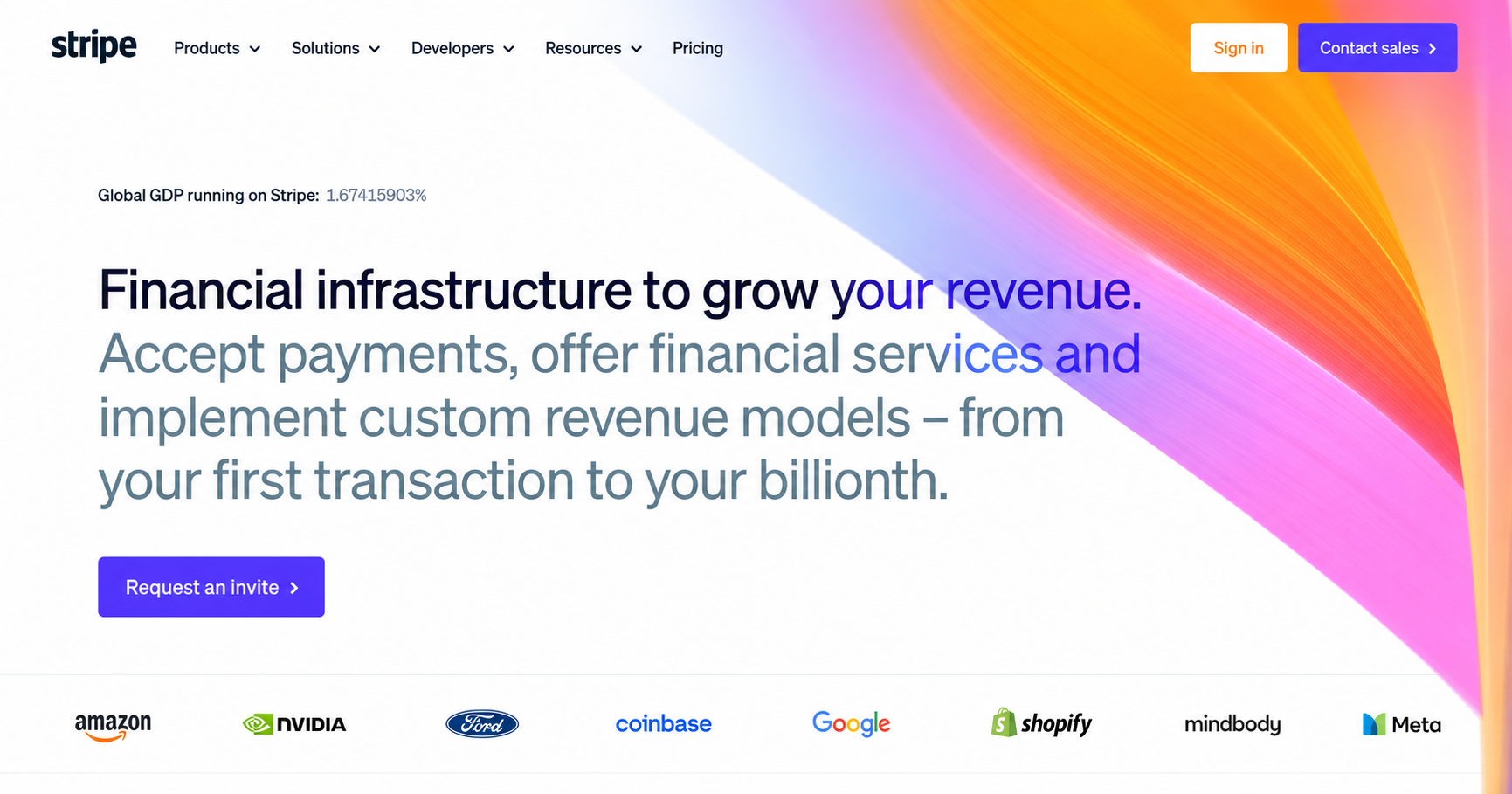
Stripe is the company that quietly powers a huge share of online payments, the financial infrastructure behind millions of businesses, from tiny startups to Amazon, Microsoft, Uber, Shopify, and the fast-growing wave of AI companies. Founded in 2010 by Irish brothers Patrick and John Collison, Stripe built its reputation on making it easy for developers to accept payments online with just a few lines of code, and it has grown into one of the most valuable private companies in the world and a cornerstone of internet commerce. This review is part of brands.run’s independent brand reviews, covering the platforms and companies that businesses and people actually rely on.
For product quality and reach, Stripe is exceptional. Its developer experience is widely seen as the best in payments, its product range spans far beyond simple checkout into billing, fraud protection, lending, card issuing, and more, and it reliably processes trillions of dollars a year for businesses around the world. That record is real and earns real credit. But Stripe is not without serious concerns: a well-documented pattern of frozen accounts and held funds that has hurt some businesses badly, a federal warning over the contested issue of debanking, questions about customer support, compliance stumbles in its newer ventures, and the normal frictions of a fast-moving, dominant company. An honest review has to hold both the genuine excellence and the real concerns together.
This review is built in three parts. Part 1, The Expose, covers what Stripe actually is: its history, its products, how it works, its scale, and how it makes money. Part 2, The Autopsy, weighs what Stripe gets right against what to scrutinize: the best-in-class developer experience and product breadth, against the account-freeze and fund-hold problem, the support concerns, the fees, the regulatory questions, and the competition. Part 3, The Killcritic, is the verdict: who Stripe suits, who should be cautious, how it compares to alternatives, and how to use it wisely in 2026.
If you are wondering whether Stripe is safe for your business, why it freezes accounts and holds funds, what its fees really are, how it compares to PayPal and others, or how to avoid the problems some merchants face, this is the honest version, written to help you decide with your eyes open and to handle the contested parts fairly.
| Review Methodology This review draws on Stripe’s public information, independent reporting and analysis, public financial and market data, regulatory actions, and merchant feedback. Where figures like valuation, payment volume, and revenue are cited, they reflect the most recent public data and move fast, so verify current numbers before relying on them. Fees and product details change, so confirm current pricing directly with Stripe before signing up. Contested matters, such as the debanking debate, are presented factually and even-handedly, noting documented facts, Stripe’s responses, and what remains disputed, without taking a political side. This review is informational and not financial or legal advice. |
Part 1: The Expose
The expose lays out what Stripe actually is: where it came from, what it builds, how it works, how big it has become, and how it makes money.
What Stripe Actually Is
Stripe is a financial infrastructure company, which means it provides the behind-the-scenes technology that lets businesses accept payments and manage money online, rather than being a consumer app most people use directly. In plain terms, when you buy something on a website or app and enter your card details, there is a good chance Stripe is the technology processing that payment in the background, moving the money securely from your card to the business and handling the fraud checks and bank communication along the way. Beyond basic payments, Stripe offers a wide suite of tools: handling subscriptions and recurring billing, fighting fraud, issuing physical and virtual cards, lending to businesses, automating sales tax, helping founders incorporate a company, and a growing list of other financial features. It is built especially for developers, with clean, well-documented software and clear guides that make it relatively easy to add payments and financial features to a website or app, which is the foundation of its reputation and the main reason it spread so widely.
What makes Stripe distinctive is the combination of its developer-first design, its breadth, and its reliability at enormous scale. It did not invent online payments, but it made them far easier to build with than the clunky systems that came before, which is why developers and businesses embraced it. Over time it expanded from a simple payments tool into a broad platform for running an internet business, and it grew to process a staggering volume of payments for millions of companies worldwide. Stripe is, in short, both a piece of critical infrastructure that quietly underpins much of online commerce and a fast-moving, ambitious company whose dominance, practices, and expansion attract real scrutiny, and much of what this review examines comes from being both at once.
For a business owner or developer, the practical thing to understand is that Stripe is the technology that lets you take payments and manage money online, known for being powerful and developer-friendly. When people talk about Stripe, they usually mean the payments platform that countless websites and apps use to charge customers, but it is now much broader, spanning the full range of online financial tools. Understanding Stripe means appreciating both how truly good and dominant its technology is and how seriously some of its practices, especially around holding funds and closing accounts, are questioned, which is the balance this review tries to strike fairly and factually.
History and Founding
Stripe was founded in 2010 by brothers Patrick and John Collison, who grew up in Ireland and had already built and sold a company before turning to payments. They were frustrated by how difficult it was for developers to accept payments online, which at the time involved complex, slow, and unfriendly systems that could take weeks to set up, and they set out to fix it with a few lines of simple code that a developer could add in an afternoon. Stripe launched publicly in 2011, quickly winning over developers with its clean software and ease of use, and it grew rapidly. Early investment came from prominent figures and firms in technology, including well-known founders and major venture capital firms, and within a few years Stripe had become one of the most valuable startups in the world, expanding internationally and steadily broadening its products.
From that foundation, Stripe grew into a sprawling financial platform. It added tools for marketplaces and platforms to handle complex multiparty payments, products for subscriptions and billing, fraud protection, card issuing, lending, tax automation, and company incorporation, steadily expanding from a single payments tool into the infrastructure for running an entire internet business end to end. It signed up enormous customers, from major retailers and airlines to the largest technology and AI companies, including household names across many industries, and its payment volume grew into the trillions of dollars a year. After a dip in its valuation during a broader technology downturn, it rebounded strongly, reaching new highs and remaining one of the most valuable private companies in the world, while choosing to stay private rather than go public.
This history matters for two reasons. First, the developer-first approach is the foundation of everything Stripe does, and understanding that the company won by making payments easy to build with explains its dominance among developers and businesses. Second, the steady expansion from simple payments into a broad financial platform explains both Stripe’s enormous value and some of the concerns the autopsy examines, since taking on more of the financial stack, including holding funds and making risk decisions about businesses, brings more responsibility and more potential for the kinds of disputes that affect some merchants. Both the success and the friction trace back to this founding approach.
Leadership
Stripe is led by its founders, Patrick and John Collison, and understanding their roles helps explain the company.
Patrick Collison serves as chief executive and John Collison as president, and together the brothers have led Stripe since founding it more than fifteen years ago, retaining significant ownership and control of the company. They are widely respected in technology for their thoughtfulness, their long-term orientation, their deep curiosity, and their focus on the developer experience that made Stripe successful, and they have built a reputation for taking a patient, mission-driven approach to building lasting financial infrastructure rather than chasing quick wins. Their decision to keep Stripe private, rather than rushing to go public like many of their peers, reflects this long-term philosophy and their stated belief that the company operates better without the short-term pressures of public markets, at least for now. The founders’ continued leadership and vision have been central to Stripe’s identity and direction.
For a business or observer, the relevance is clear. On one hand, Stripe benefits from capable, respected, founder-led leadership with a real long-term vision, which has guided it to its dominant position and kept it focused on product quality. On the other hand, founder control and a private structure mean less external accountability than a public company faces, and the company’s practices, including the fund-holding issues the autopsy examines, ultimately reflect leadership choices. The honest framing is that Stripe’s founder leadership has been a major strength behind its success and product excellence, and that the responsibility for addressing its real concerns, particularly around how it treats merchants whose funds it holds, also rests with that leadership, both of which are part of the picture.
The Product Suite
Stripe is far more than a simple payment button, and knowing the range of its products helps you understand what the company offers and why businesses rely on it.
- Payments: the core product, letting businesses accept card, wallet, and other payments online and in person, with the clean developer tools Stripe is known for.
- Connect: the product for marketplaces and platforms to handle payments between many parties, used by a large share of the world’s top marketplaces to pay out sellers and providers.
- Billing and Invoicing: tools for subscriptions, recurring payments, and invoices, managing huge numbers of active subscriptions for companies of every size.
- Radar: fraud protection that uses machine learning to block fraudulent transactions, a key part of the platform for many businesses.
- Issuing, Capital, and Treasury: tools to create cards, lend to businesses, and embed banking-like features, extending Stripe well beyond payments into broader financial services.
- Tax, Atlas, and more: automated sales-tax handling, a service to incorporate a company, and other tools, plus newer additions for usage-based billing and crypto, aimed at startups and modern businesses.
This breadth shows that Stripe is a full financial platform, not a single tool, with products spanning payments, marketplace payouts, subscriptions, fraud protection, lending, banking features, tax, company incorporation, and more. The core payments and the developer experience are the foundation, while the wider suite lets businesses run much of their financial operations on Stripe, which is a major reason large and growing companies adopt it. For a business, the practical point is that Stripe can handle far more than checkout, potentially serving as the financial backbone of an online business, and its expanding product range, including recent moves into usage-based billing for AI companies and into crypto, keeps it at the center of modern commerce. The breadth is real and a major part of why Stripe is so valuable and widely used.
How Stripe Works
Understanding how Stripe works, at least at a high level, helps explain why developers and businesses favor it.
At its core, Stripe provides software tools, often called APIs, that developers add to a website or app to handle payments and financial features. Instead of building complex payment systems from scratch or wrestling with older, cumbersome processors, a developer can integrate Stripe relatively quickly using its clean, well-documented tools, and the business can then accept payments, manage subscriptions, and use Stripe’s other features. When a customer pays, Stripe securely handles the transaction, communicating with card networks and banks to move the money, manages fraud and security checks, and deposits the funds into the business’s bank account on a regular schedule, minus its fees, while handling the receipts and records along the way. Stripe handles much of the technical and regulatory complexity of payments behind the scenes, which is the convenience businesses pay for.
For a business, this design has a clear appeal. On one hand, Stripe makes accepting payments and adding financial features truly easy compared with the alternatives, especially for developers, which saves time and effort and lets businesses focus on their products rather than payment plumbing, and its reliability at scale means it generally just works. On the other hand, because Stripe sits in the flow of a business’s money and makes decisions about risk, fraud, and account standing, it also holds significant power over a business’s funds and ability to operate, which is the root of the concerns the autopsy examines when things go wrong. The honest framing is that Stripe’s technology makes payments and financial operations clearly easier and more reliable, which is its core value, while also placing a business’s money and payment ability in Stripe’s hands, which matters greatly in the cases where accounts are frozen or funds held. Understanding both the convenience and the dependence helps explain the full picture.
Who Uses Stripe
Stripe is used by an enormous range of businesses, and knowing who relies on it shows both its dominance and its broad appeal.
Stripe processes payments for around five million businesses worldwide, spanning the full spectrum from individual creators and tiny startups to some of the largest companies in the world. Its customers include major technology firms, retailers, airlines, and marketplaces, spanning many industries and countries, and it has become especially popular with startups and developers building new products, as well as with the fast-growing wave of AI companies that need to handle billing for their services. A very large number of companies, well over a hundred, process more than a billion dollars each through Stripe every year, and it powers a significant share of online commerce, particularly in the United States, where it holds a dominant position in e-commerce payment processing. Its appeal spans from the smallest businesses, drawn by its ease of use, to the largest, drawn by its reliability and breadth.
This wide adoption signals that Stripe is truly dominant and trusted across the business world, from startups to giants, which is a strong endorsement of its technology and reliability. It also frames the autopsy’s concerns, because a platform relied on by so many businesses, holding so much of their money and payment ability, carries real responsibility, and the cases where it freezes accounts or holds funds, while a minority, affect real businesses that depend on it. For a business considering Stripe, the practical point is that it is a proven, widely trusted platform used successfully by millions, which is reassuring, while the concerns this review covers are worth understanding so you can use it wisely and prepare for the rare cases where problems arise. The dominance and trust are real, and so is the importance of using it with awareness.
How Big Stripe Has Become
The scale of Stripe is enormous, and the numbers explain why it matters so much, even if they move fast and should be checked against current sources.
By 2026, Stripe had become one of the most valuable private companies in the world, valued at around 159 billion dollars through a tender offer that let current and former employees and early investors sell shares, a sharp rise from a year earlier and surpassing its previous peak. It processed an astonishing 1.9 trillion dollars in total payment volume in 2025, up more than thirty percent from the year before and equivalent to roughly 1.6 percent of global economic output, making it the largest privately owned financial technology company in the world. Its net revenue had grown into the billions of dollars, and it described itself as solidly profitable, investing heavily in new products and acquisitions, including several deals in usage-based billing and crypto infrastructure. It serves around five million businesses and holds a large share of the global payment-processing software market. Notably, Stripe has chosen to remain private, with its founders repeatedly saying they have no near-term plans to go public and believe the company runs better outside the public markets for now, using periodic share sales to provide liquidity to employees and investors instead.
This scale signals that Stripe is one of the most important and successful financial technology companies in the world today, central to online commerce, trusted by businesses of every size, and financially strong. It also frames the autopsy’s concerns, because a company this dominant, this central to how money moves online, and this powerful over the funds of millions of businesses inevitably attracts scrutiny over its practices and responsibilities. For a business or observer, the practical point is that Stripe is a truly dominant, profitable, and trusted platform, and also one whose enormous role in handling businesses’ money makes its treatment of merchants, especially in disputes, a serious matter, which the later sections examine. The dominance and strength are real, and so is the responsibility that comes with them.
How Stripe Makes Money
Understanding how Stripe makes money explains its model and its incentives.
Stripe makes money primarily by charging a fee on each transaction it processes, typically a percentage of the payment plus a small fixed amount per transaction, which is the standard way payment processors earn their revenue. On top of this core payment fee, Stripe earns from its additional products: fees for fraud protection, billing, card issuing, lending, tax, and its other tools, as well as custom negotiated pricing for large enterprise customers that process at high volume. Because it processes such an enormous volume of payments, even a small percentage on each transaction adds up to billions of dollars in revenue, and its growing suite of higher-value products beyond basic payments is an increasingly important source of income. The common thread is that Stripe earns a slice of the money flowing through it, plus fees for its broader financial tools, which is why its revenue grows with the volume and range of commerce it handles.
For a business, this model explains Stripe’s pricing and its priorities. The per-transaction fee is simple and predictable, which businesses value, though it means costs scale with sales, and very high-volume businesses sometimes negotiate custom rates or consider alternatives to reduce the percentage. The push into additional products reflects Stripe’s drive to earn more from each customer by handling more of their financial operations. The honest framing is that Stripe makes money by taking a percentage of transactions plus fees for its broader tools, a clear and common model whose costs are worth weighing against the value and convenience it provides, and against alternatives for high-volume businesses. Understanding that Stripe earns a slice of your sales helps explain both its pricing and its incentive to handle more of your business, which the fee discussion in the autopsy examines further.
| A Note on Stripe’s Fees Stripe’s standard pricing is a percentage of each successful transaction plus a small fixed fee, with additional charges for products like advanced fraud protection and billing, and custom negotiated pricing for large enterprises. This pay-as-you-go model is simple and predictable, with no long-term contracts for standard use, which suits many businesses. However, the percentage means costs rise with sales, so very high-volume businesses should compare Stripe’s rates against alternatives or negotiate custom pricing, since at large scale the difference can be significant. Because pricing changes and varies by country, product, and payment type, always check Stripe’s current published fees for your situation before signing up rather than relying on a general figure. |
Part 2: The Autopsy
The autopsy weighs Stripe’s genuine strengths against its real, documented concerns. Its technology is best-in-class and its dominance well earned, and the company faces serious questions about frozen accounts and held funds, support, fees, and regulation. Both the excellence and the concerns are real, and because of that, both get full and even-handed treatment, with contested matters handled factually and without taking a political side.
What Stripe Gets Right
The strengths are real and explain why Stripe is so dominant and admired among businesses and developers.
Best-in-Class Developer Experience
Stripe’s software is widely considered the best in payments, with clean, well-documented tools that make adding payments and financial features relatively easy. This developer experience is truly excellent and the core reason Stripe won and keeps its dominant position.
Exceptional Product Breadth
Beyond basic payments, Stripe offers a vast suite, including marketplace payouts, subscriptions, fraud protection, card issuing, lending, tax automation, and company incorporation. This breadth lets businesses run much of their financial operations on a single platform, which is a real and valuable strength.
Reliability at Massive Scale
Stripe processes trillions of dollars for millions of businesses and generally just works, with strong uptime and performance. For a payments platform, this reliability is essential, and Stripe delivers it at a scale few can match, which businesses depend on.
Global Reach
Stripe supports businesses in many countries and a wide range of payment methods and currencies, making it truly useful for companies selling internationally. This global capability is a real strength for businesses with customers around the world.
Strong Fraud Protection
Stripe’s fraud tools use large-scale machine learning, trained on billions of transactions, to block fraudulent payments effectively while letting legitimate ones through, protecting businesses from losses and chargebacks. This built-in protection is a real benefit that would be hard and costly for businesses to build themselves.
Constant Innovation
Stripe ships an enormous number of product improvements every year and expands into new areas like usage-based billing and crypto, staying ahead of the market and its rivals. This relentless innovation keeps it at the center of modern commerce and is a real strength.
These strengths make Stripe a truly best-in-class and dominant payments platform whose technology, reliability, and product breadth are widely admired across the business and developer world. The concerns that follow are serious and important, especially for the businesses affected, but they do not erase the fact that Stripe delivers excellent, reliable, developer-friendly financial infrastructure that millions of businesses use successfully, which is why it commands such a central place in online commerce.
The Account Freeze and Fund Hold Problem
The most serious and most discussed concern about Stripe is its pattern of freezing accounts and holding funds, which has hurt some businesses badly and deserves careful, balanced treatment, since it matters enormously to anyone relying on the platform for their money.
A recurring complaint from some merchants is that Stripe has suddenly frozen their account, held their funds, imposed reserves, or closed their account, sometimes with limited explanation and slow resolution. There are numerous documented cases of businesses having significant sums, from a few thousand to hundreds of thousands of dollars, held for extended periods, sometimes six months or more, with reports of poor communication, promised release dates that kept being pushed back, accounts closed with little notice, and real difficulty reaching any resolution. These situations can be devastating for a business that depends on that cash flow to pay suppliers, staff, and bills, and they have generated extensive merchant frustration, online accounts of long ordeals, legal guidance and arbitration templates on recovering funds, and even criticism from banking groups and regulators about Stripe’s practices. Stripe holds funds and closes accounts for risk-management reasons, such as suspected fraud, high dispute or chargeback rates, sudden changes in a business’s activity, or operating in restricted categories, which is part of how payment processors manage their own financial liability and comply with card-network and legal rules, but the impact on affected legitimate businesses and the slow, opaque handling of too many of these cases are genuine concerns.
The honest framing balances the real harm with the legitimate context. On one hand, this is a serious, well-documented concern: real businesses have had substantial funds held for long periods, with poor communication and slow resolution, which can threaten their survival, and the pattern is widespread enough to have produced legal guides, regulatory attention, and genuine reputational damage, so it is not a handful of isolated complaints but a real issue that prospective users must understand. On the other hand, holding funds and managing risk is a necessary part of payment processing that every processor does to some degree, Stripe serves millions of businesses of which the affected ones are a minority, many holds stem from genuine fraud or risk signals, and Stripe is often considered no worse, and sometimes better, than some competitors on this. The fair takeaway is that Stripe has a real, serious, well-documented problem with frozen accounts and held funds that has badly harmed some businesses and is handled poorly in too many cases, while also reflecting the genuine risk-management realities of payments that affect a minority of its users. For a business, the practical point is to take this concern seriously, prepare for it, and follow the precautions below, since while most businesses never face it, the consequences for those who do can be severe.
| Important: Understand and Prepare for the Risk of Held Funds Stripe can hold funds, impose reserves, or close accounts for risk reasons, and some businesses have had significant money held for months with poor communication. While most merchants never experience this, the impact when it happens can be severe. To protect your business: read Stripe’s prohibited and restricted businesses list before signing up, keep your dispute and refund rates low, avoid sudden large spikes in volume without warning Stripe, respond promptly and fully to any information requests, do not rely on a single payment processor for critical cash flow, keep records of your transactions, and maintain reserves of your own where possible. If funds are held, contact support persistently, escalate clearly, and seek professional advice for large sums. Preparation and good account practices are the best protection. |
The Debanking Warning
Stripe has been drawn into the contested public debate over debanking, the denial of financial services for reasons some consider improper, including a formal warning from a federal regulator, which deserves neutral, factual treatment given how politically charged the topic is.
A federal regulator sent Stripe, along with several other major payment companies and card networks, a warning letter cautioning against debanking, meaning cutting off customers’ access to financial services based on political views, religious beliefs, or lawful activities, and warning that doing so in ways inconsistent with their terms or customers’ reasonable expectations could violate the law and lead to an investigation and potential enforcement. The warning followed a broader government push against debanking, including an executive order on the subject, and cited past instances where Stripe had stopped processing payments for certain customers, including a political campaign and some lawful but controversial businesses such as a firearms-accessories seller. Stripe responded that it does not restrict access to its services based on political viewpoints or affiliation. The regulator did not cite specific proven violations in the warning, framing it as a caution about expectations rather than a finding of wrongdoing.
The honest framing presents this even-handedly, as it is truly contested and politically charged. On one hand, the concern is real to many: there are documented past cases of Stripe cutting off certain customers, debanking is a serious issue when it denies law-abiding people financial access, a federal regulator considered it worth a formal warning, and given Stripe’s dominance, its account decisions carry real weight over who can participate in commerce. On the other hand, Stripe denies discriminating based on politics, the warning cited no specific proven violations and was part of a broader, politically driven government initiative, payment processors must decline some businesses for legitimate legal and risk reasons, and distinguishing improper debanking from legitimate risk decisions is truly complex. The fair takeaway is that Stripe has faced a real, formal warning over debanking amid documented past cases and a charged political debate, that Stripe denies improper discrimination, and that the line between wrongful debanking and legitimate account decisions is contested and unsettled. For a business, the practical point is to be aware that Stripe, like other processors, makes account decisions that can be contentious, to understand its terms and restricted categories, and to weigh this alongside the broader account-standing concerns, while recognizing the issue is truly debated rather than settled.
Customer Support Concerns
A practical and frequent complaint about Stripe involves customer support, especially when something goes wrong, which deserves factual treatment since it compounds the fund-hold issue.
Many merchants report that Stripe’s customer support can be difficult to reach and slow or unhelpful, particularly in serious situations like frozen accounts or held funds, where businesses most need responsive, knowledgeable human help rather than automated replies. Common frustrations include struggling to reach a real person at all, receiving generic or templated responses that do not address the specific issue, and facing long delays in urgent situations, which can make an already stressful and costly fund-hold experience much worse for a business owner. As a large, developer-focused, largely self-service platform, Stripe is designed to work smoothly without much hand-holding for the typical user, but this can leave businesses underserved when they hit a serious problem that needs human attention. Support quality is a real and common concern, especially given how much can be at stake when funds are involved.
The honest framing keeps this in proportion. On one hand, the concern is genuine: support is frequently criticized as hard to reach and unhelpful in exactly the high-stakes situations where it matters most, which compounds the harm of held funds and is a real weakness for a platform handling businesses’ money. On the other hand, Stripe’s self-service, developer-focused model works well for the typical user who rarely needs support, large platforms inevitably struggle to give personal service at massive scale, and support experiences vary, with larger customers and those on higher tiers generally getting more attention. The fair takeaway is that Stripe’s customer support is a real and common weak point, especially in serious situations like fund holds, even as its self-service model works smoothly for most routine use. For a business, the practical point is to not count on fast, personal support in a crisis, to keep your own records, to escalate persistently and clearly when needed, and to factor the support limitations into your reliance on the platform, particularly if your business is the kind that might face account issues.
Fees and Cost
For all its value, Stripe’s cost is a real consideration, especially for certain businesses, and deserves clear treatment.
Stripe’s standard per-transaction fee is competitive and predictable, but it is not the cheapest option available for every business, particularly high-volume merchants for whom the percentage on each sale adds up to large sums over a year. Businesses processing very large volumes can often negotiate lower custom rates or find that alternatives offer better pricing at scale, and the fees for Stripe’s additional products, like fraud protection and billing, add to the total cost of using the full platform. For small and medium businesses, Stripe’s pricing is generally reasonable for the convenience, reliability, and capability it provides, but for high-volume or price-sensitive businesses, the cumulative cost of the percentage can become a meaningful factor worth comparing carefully against other providers. As with any processor, the real cost depends on a business’s volume, average transaction size, mix of products, and ability to negotiate.
The honest framing keeps cost in context. On one hand, Stripe’s fees, while fair for the value and standard for the industry, are not the lowest available, and for high-volume businesses the percentage can add up to significant amounts that alternatives or negotiated rates might reduce, so cost is a genuine consideration. On the other hand, Stripe’s pricing is transparent, predictable, and contract-free for standard use, the value it provides in capability and convenience justifies the cost for many businesses, and large businesses can negotiate. The fair takeaway is that Stripe is reasonably but not cheaply priced, excellent value for many businesses but worth comparing carefully for high-volume or price-sensitive ones, who should weigh its fees against alternatives and the possibility of custom rates. For a business, the practical point is to calculate your real costs based on your volume and needs, compare with alternatives if price matters, and consider negotiating if your volume is high, rather than assuming Stripe is automatically the cheapest or the most expensive.
Newer Ventures and Compliance
Stripe’s expansion into newer areas, particularly crypto and stablecoins, has brought its own stumbles and compliance questions that round out an honest picture.
As Stripe has pushed into newer areas, including acquiring companies in crypto and stablecoin infrastructure, it has encountered the compliance challenges that come with those riskier, more heavily scrutinized spaces. One acquired crypto-related card program was reportedly paused in early 2026 after fraud incidents and questions about compliance with sanctions rules tied to activity linked to a sanctioned country, forcing tightened country and merchant restrictions. Stripe has also faced opposition from established banking and community-bank groups to its application for a banking-related charter, with critics citing its track record with merchants and warning of risks, and broader regulatory scrutiny as it takes on more financial responsibilities. These matters reflect the growing pains and added compliance burden of a payments company expanding deeper into regulated financial services and newer, riskier areas like crypto and stablecoins, where mistakes carry real regulatory, legal, and reputational consequences.
The honest framing keeps these in proportion. On one hand, the concerns are real: a compliance stumble involving sanctions and fraud in a newer venture is serious, opposition to its charter from established banking groups citing its track record is notable, and expanding into riskier financial areas increases the potential for regulatory problems. On the other hand, these are the normal challenges of an ambitious company moving into newer, complex spaces, the issues have been addressed with tightened controls, and pushing into crypto, stablecoins, and banking features is part of staying at the frontier of finance, where some stumbles are expected. The fair takeaway is that Stripe’s expansion into newer financial areas has brought real compliance stumbles and regulatory scrutiny that are worth noting, while reflecting the ordinary growing pains of an ambitious company at the frontier rather than fundamental failings. For a business, the practical point is that Stripe is expanding its capabilities rapidly, which brings both new options and the risks of newer, less proven areas, so approach its newest features with the same care you would any emerging financial product.
Competition and the Road Ahead
Stripe faces real competition and longer-term challenges that are worth understanding as part of assessing the company.
Stripe competes with a wide range of rivals, including other large payment platforms known for enterprise strength, established consumer-facing payment brands with strong recognition, and a growing wave of specialized companies that target individual pieces of Stripe’s business, like card issuing, tax, or usage-based billing, and try to do each one better than an all-in-one platform can. Some of these specialized players are building interoperable tools that let businesses assemble their own stack rather than relying on Stripe’s integrated platform, which is a longer-term competitive risk if businesses come to prefer that modular approach. Stripe’s scale, breadth, and developer loyalty are strong advantages, but the payments and fintech space is competitive and fast-moving, and maintaining its lead requires continued innovation against both large rivals and nimble specialists.
The honest framing notes both Stripe’s strength and the real competition. On one hand, Stripe is truly dominant, with enormous scale, the best developer experience, broad products, and deep loyalty, which are powerful and durable advantages that rivals struggle to match. On the other hand, the space is highly competitive, capable rivals target both the enterprise market and individual slices of Stripe’s business, and a longer-term shift toward modular, assemble-your-own-stack approaches could erode Stripe’s integrated advantage, so its dominance is strong but not guaranteed forever. The fair takeaway is that Stripe is the leading player with real, durable advantages, while facing genuine competition from large rivals and nimble specialists that it must keep innovating to stay ahead of. For a business, the practical point is that Stripe is a safe, capable choice with strong staying power, while it is worth being aware of alternatives and specialized tools that might better fit specific needs, since the market offers real options.
What You Cannot Fully Verify
In the interest of honesty, here is what is hard to assess definitively about Stripe, and which depends on circumstances and on factors that are not fully public.
- How likely your specific business is to face a freeze or hold, since it depends on your industry, patterns, and risk factors that Stripe assesses privately.
- How Stripe’s account and fund-hold practices will evolve, especially under regulatory pressure and new rules in some regions requiring more notice and explanation.
- The full, current details of its finances and the exact terms of any custom pricing, since Stripe is private and discloses selectively.
- How its newer crypto, stablecoin, and banking ventures will fare and what compliance challenges they may bring.
- The exact, current figures for valuation, payment volume, revenue, and fees, which move fast and should be checked against the latest sources.
This is not a list designed to undermine truly excellent technology so much as a reminder that using Stripe, like any payments platform, involves real dependence and some uncertainty. A review can tell you that Stripe offers best-in-class, reliable, developer-friendly financial infrastructure used successfully by millions, and that it has a real, serious problem with frozen accounts and held funds, along with support and other concerns, that some businesses experience badly. It cannot predict whether your particular business will face problems or how Stripe’s practices will change. The honest guidance is to use Stripe for its real excellence while preparing sensibly for the risks, following good account practices, not relying on a single processor for critical cash flow, and going in with clear eyes about both the strong value and the real concerns.
Part 3: The Killcritic
The killcritic is the verdict. Who Stripe suits, who should be cautious, and how it compares to the alternatives.
As one of several payments and fintech brands reviewed on brands.run, Stripe can also be compared with consumer-facing options like PhonePe, though the two serve very different needs, Stripe as global business infrastructure and PhonePe as a consumer payments app.
Who Stripe Is For
Stripe suits many businesses extremely well, with the fit depending on your type of business and how you weigh the concerns.
Developers and Technical Teams
If you or your team can work with code, Stripe is the best payments platform available, with unmatched developer tools that make adding payments and financial features easy. For developer-led businesses, it is the clear, often ideal choice.
Online and Subscription Businesses
If you run an online store, a subscription service, or a software business, Stripe handles payments, billing, and more reliably and flexibly, making it an excellent fit for modern internet businesses of most kinds.
Marketplaces and Platforms
If you operate a marketplace or platform that pays out many sellers or providers, Stripe’s tools for multiparty payments are best-in-class and used by a large share of top marketplaces, making it a strong choice for complex payment flows.
Startups and Global Businesses
If you are a startup or sell internationally, Stripe’s ease of setup, broad capabilities, global reach, and tools like company incorporation make it especially well suited to growing and cross-border businesses.
For these businesses, especially developer-led, online, subscription, marketplace, and global ones, Stripe offers real, often best-in-class value, provided they follow good account practices and prepare for the rare cases of account issues this review covers.
Who Should Be Cautious
Others should approach Stripe with extra care or a backup plan, depending on their type of business and needs.
High-Risk or Unusual Businesses
If your business is in a category Stripe considers high-risk or restricted, or has unusual patterns, you face a higher chance of holds or account closure, so read the restricted list carefully, consider specialized processors, and never rely on Stripe alone.
Businesses That Cannot Survive a Hold
If a freeze of your funds for weeks or months would threaten your business, take the fund-hold risk seriously: keep disputes low, maintain reserves, use a backup processor, and follow the precautions in this review, since the impact of a hold can be severe.
Those Needing Strong Phone Support
If you want reliable, responsive human support, especially in emergencies, Stripe’s largely self-service model may frustrate you, so weigh whether its support fits your needs or whether a provider with stronger support suits you better.
Very High-Volume, Price-Sensitive Merchants
If you process very large volumes and cost is critical, Stripe’s standard fees may be higher than alternatives or negotiated rates, so compare pricing carefully and consider negotiating custom rates or evaluating other processors at scale.
Stripe vs the Alternatives
The most practical comparison is Stripe against other payment platforms, and the honest answer is that Stripe leads on developer experience and breadth while alternatives suit some needs better.
| Option | Best For | Trade-offs |
|---|---|---|
| Stripe | Developers, online, marketplaces | Fund-hold risk, support, fees at scale |
| PayPal and Braintree | Quick setup, consumer trust | Own hold issues, less developer-friendly |
| Square | In-person and small business | Less suited to complex online needs |
| Adyen | Large enterprises | Built for scale, less startup-friendly |
| Specialized tools | Specific needs, modular stacks | Less integrated, more to assemble |
For most online and developer-led businesses, Stripe is the strongest all-round choice, with the best developer experience and the broadest set of capabilities under one roof, which is a large part of why it dominates its market. PayPal and its developer arm offer very quick setup and strong consumer recognition that can reassure buyers, but are generally less developer-friendly and flexible, and have their own well-known account-hold and freeze issues. Square is excellent for in-person sales and small businesses that want simple, all-in-one hardware and software out of the box, but is less suited to complex online and developer-heavy needs. Adyen is a strong choice for large enterprises but built for scale rather than startups. Specialized tools can beat Stripe on specific individual features for businesses that are willing to assemble and maintain their own combination of providers. The honest take is that Stripe is the best general-purpose choice for modern online businesses, especially developer-led ones, while alternatives suit in-person, enterprise, consumer-facing, or specialized needs better, so the right choice depends on your business. For most online businesses that value developer experience and breadth, Stripe is truly the leading option, balanced against the concerns this review covers.
Is Stripe Safe for Your Business
A practical question many ask is whether Stripe is safe to build a business on, and the honest answer is mostly yes, with real precautions.
The Reassurance
Stripe is a dominant, profitable, trusted platform used successfully by millions of businesses, including the largest companies, with excellent, reliable technology, so for most businesses it is a safe, proven foundation that works smoothly day to day.
The Real Risk
The genuine risk is the account-freeze and fund-hold issue, which can severely harm the minority of businesses affected, so safety depends partly on your business type and on taking sensible precautions rather than relying on Stripe alone.
The Honest Call
For most businesses, Stripe is safe to build on, a proven, reliable, and widely used platform that works smoothly for the vast majority of the companies, but safety is not absolute, because the fund-hold and account-closure risk can badly affect some businesses, especially higher-risk ones. The sensible approach is to use Stripe for its genuine strengths while following good practices, keeping disputes low, maintaining reserves, using a backup processor, and reading its rules, so you get the benefits while protecting against the rare but serious problems. The fair framing is that Stripe is broadly safe and excellent for most businesses, while carrying a real risk that warrants precautions for all and extra caution for higher-risk businesses, so its safety depends on your situation and preparation rather than being unconditional. Used wisely and with sensible safeguards, Stripe is a strong and reliable foundation for most businesses.
The Final Verdict
| Stripe Final Rating: 4 / 5 A truly dominant and best-in-class payments platform, Stripe offers the finest developer experience in the industry, exceptional product breadth, reliability at massive scale, global reach, and constant innovation, which is why millions of businesses, from startups to giants, rely on it. It is held back from a perfect score by real, serious concerns: a well-documented pattern of frozen accounts and held funds that has badly harmed some businesses and is often handled poorly, customer support that is hard to reach in exactly the moments that matter most, fees that add up for high-volume businesses, and the regulatory and compliance questions that come with its dominance and its expansion. Truly excellent, reliable, and the leading choice for most online businesses, with a real and important caveat around held funds and support that every prospective user should understand and prepare for. |
Use Stripe if you run an online, developer-led, subscription, marketplace, or global business and you follow good account practices. For most modern businesses, especially those that value developer experience and breadth, Stripe offers real, often best-in-class value, and its technology and reliability are excellent.
Be cautious or keep a backup if your business is high-risk or unusual, could not survive a funds hold, needs strong phone support, or processes very high volumes where cost is critical. In those cases, take the fund-hold risk seriously, follow the precautions, and compare alternatives.
Stripe earns genuine and substantial credit for building the best, most developer-friendly, and most reliable payments platform available, used successfully by millions of businesses worldwide. The 4 out of 5 reflects that real, best-in-class technology and dominance, tempered honestly by serious, well-documented concerns: a real problem with frozen accounts and held funds that has badly harmed some businesses and is too often handled poorly, customer support that falls short when it matters most, fees that add up for high-volume businesses, and the regulatory and compliance questions that accompany its scale and expansion. For developer experience, breadth, and reliability, Stripe is exceptional. The keys to using it well are to take advantage of its genuine strengths while following good account practices, keeping disputes low, maintaining reserves, using a backup processor, reading its rules, and preparing for the rare but serious problems some businesses face. Used wisely and with sensible safeguards, Stripe is a strong, reliable, and often ideal foundation for most online businesses, while the real concerns around held funds and support mean it should be used with awareness and preparation rather than blind trust. The excellence is real, and so are the important caveats, so build on it with both in view.
Frequently Asked Questions
This section answers the specific questions people search for about Stripe. Each answer is structured for direct factual extraction.
What is Stripe?
Stripe is a financial infrastructure company that provides the technology businesses use to accept payments and manage money online. Founded in 2010 by brothers Patrick and John Collison, it lets businesses accept card, wallet, and other payments, and offers a wide suite of tools for subscriptions, fraud protection, card issuing, lending, tax, incorporation, and more, all built to be easy for developers to integrate. Stripe processes trillions of dollars a year for around five million businesses, from startups to major companies, and is one of the most valuable private companies in the world. It is known for its excellent developer experience and broad capabilities.
Who owns Stripe?
Stripe is a private company controlled by its founders, Irish brothers Patrick Collison, who is chief executive, and John Collison, who is president, who retain significant ownership. It has also raised money from many prominent investors over the years, including major venture capital and investment firms around the world, and early backers included several well-known technology figures and founders. Because Stripe is private, its shares are not traded on public markets, and it has used periodic share sales to provide liquidity to employees and early investors rather than going public. The Collison brothers’ continued ownership and leadership are a defining feature of the company.
Is Stripe publicly traded?
No, Stripe is not publicly traded. It remains a private company, and its founders have repeatedly said they have no near-term plans for an initial public offering, believing the company operates better privately for now. Instead of going public, Stripe periodically arranges share sales, called tender offers, that let employees and early investors sell some shares and provide liquidity, while keeping the company private. This approach has let Stripe satisfy investor and employee demand for liquidity without the pressures of public markets. While many observers expect Stripe to go public eventually, as of 2026 it has chosen to stay private, so its stock cannot be bought on an exchange.
Who founded Stripe?
Stripe was founded in 2010 by brothers Patrick and John Collison, who grew up in Ireland and had previously built and sold another company. Frustrated by how hard it was for developers to accept payments online at the time, they created Stripe to make it easy with just a few lines of simple code, launching publicly in 2011. Patrick Collison serves as chief executive and John Collison as president, and they have led the company together throughout its growth from a small startup into one of the world’s most valuable private companies. The brothers are well known and respected in technology for their long-term, mission-driven approach to building financial infrastructure, and they retain significant ownership and control of Stripe.
What are Stripe’s fees?
Stripe’s standard pricing is a percentage of each transaction plus a small fixed fee, the common model for payment processors, with additional charges for products like fraud protection, billing, and others, and custom pricing available for large enterprises. The pricing is transparent and predictable, with no long-term contracts for standard use, which suits many businesses. However, because it is a percentage, costs rise with sales volume, so high-volume businesses should compare Stripe’s rates with alternatives or negotiate custom pricing. Fees vary by country, product, and payment type, so always check Stripe’s current published pricing for your specific situation before signing up rather than relying on a general figure.
Is Stripe safe to use?
For most businesses, Stripe is safe and reliable in daily use, a dominant, profitable platform used successfully by millions of companies, including the largest, with excellent technology and strong security. The main risk is its pattern of freezing accounts and holding funds, which can badly affect a minority of businesses, especially higher-risk ones, sometimes with significant sums held for long periods. So while Stripe is broadly safe, it is wise to take precautions: keep disputes low, maintain reserves, use a backup processor, read Stripe’s rules, and respond promptly to any requests. Used with these sensible safeguards, Stripe is a safe foundation for most businesses, though not without real risks worth preparing for.
Why does Stripe freeze accounts and hold funds?
Stripe freezes accounts and holds funds for risk-management and compliance reasons, such as suspected fraud, high dispute or refund rates, sudden large changes in a business’s activity, operating in restricted or high-risk categories, or regulatory requirements. As the party responsible for moving money and managing payment risk, Stripe holds funds or closes accounts to protect itself, customers, and the financial system from fraud and losses. However, the practice has drawn serious criticism because it sometimes affects legitimate businesses, with significant funds held for long periods and poor communication. To reduce the risk, keep your dispute and refund rates low, avoid sudden large volume spikes without warning Stripe first, stay within its accepted business categories, and respond promptly and fully to any information or verification requests.
What is Stripe Connect?
Stripe Connect is Stripe’s product for marketplaces and platforms that need to handle payments between multiple parties, such as paying out many different sellers, service providers, or creators. It lets a platform accept payments from customers and route the right amounts to the right recipients automatically, handling the complex money flows, payouts, tax forms, and compliance involved, which would be very difficult and costly to build from scratch. Connect is used by a large share of the world’s top marketplaces and is considered best-in-class for this purpose. For any business that operates a marketplace or platform model, Connect is one of Stripe’s most valuable products, making complicated multiparty payments manageable.
What is Stripe Atlas?
Stripe Atlas is a service that helps founders incorporate a company, typically a United States company, handling much of the paperwork and setup involved in starting a business, and it is available to founders in many countries around the world. It is aimed especially at startups and international entrepreneurs who want to establish a United States business entity to access the United States market, United States banking, and Stripe’s payment tools without navigating the legal complexity alone. Atlas simplifies what can be a complex, intimidating process, bundling incorporation with related setup steps. It reflects Stripe’s broader strategy of helping businesses not just take payments but get started and operate, making it a useful tool for new founders, particularly those building startups or operating internationally.
Is Stripe better than PayPal?
It depends on your needs. Stripe is generally better for developers and online businesses that want the best tools, the broadest capabilities, and flexible, customizable payments, which is why developer-led and modern internet businesses often prefer it. PayPal offers very quick setup, strong consumer recognition and trust, and is easy for non-technical users, which suits some businesses and customers better, though it is generally less developer-friendly. Both have faced criticism for freezing accounts and holding funds. For a developer-led or online business wanting power and flexibility, Stripe is usually the better choice, while PayPal may suit those wanting simplicity and consumer familiarity, so the right pick depends on your business and technical needs.
Does Stripe work with AI companies?
Yes, Stripe has become especially popular with AI companies and has invested in tools to serve them. Many fast-growing AI companies use Stripe to handle billing for their services, and Stripe acquired a usage-based billing platform specifically to handle the kind of real-time metering AI companies need, charging based on usage such as the number of requests, tokens, or compute events processed. Major AI companies are among Stripe’s most notable customers, and its co-founder has publicly highlighted the fast-growing cohort of AI companies adopting its products and driving new volume. This focus reflects Stripe’s strategy of serving modern, high-growth businesses where the next wave of commerce is happening, and its usage-based billing capabilities, strengthened by acquisition, make it well suited to the AI economy’s consumption-based pricing models that charge per request or per token.
Common Mistakes and Tips When Using Stripe
This section captures the most common mistakes businesses make with Stripe and how to avoid each. Following these helps you get the benefits while reducing the risk of serious problems.
Mistake: Relying on Stripe as your only payment processor
Mitigation: If Stripe freezes your account, having no backup can halt your business. Set up a secondary payment processor as a fallback, so you can keep accepting payments and maintain cash flow if your Stripe account ever faces a hold or closure, rather than depending on a single provider.
Mistake: Ignoring the prohibited and restricted businesses list
Mitigation: Operating in a category Stripe restricts greatly raises the risk of account closure. Read Stripe’s prohibited and restricted businesses list before signing up, confirm your business is allowed, and if it is borderline or high-risk, consider a specialized processor rather than risking a sudden freeze.
Mistake: Letting disputes and refunds climb
Mitigation: High dispute and refund rates are a common trigger for holds. Keep customers happy, deliver promptly, communicate clearly, handle complaints before they become disputes, and monitor your rates, since a low dispute rate is one of the best ways to keep your account in good standing.
Mistake: Triggering sudden unexplained volume spikes
Mitigation: A sudden large jump in your processing volume can look like fraud and trigger a hold. If you expect a big increase, such as from a launch or sale, contact Stripe in advance to explain, so the spike is expected rather than alarming, reducing the chance of a freeze.
Mistake: Not keeping your own records and reserves
Mitigation: If funds are held, your own records and reserves are your protection. Keep thorough records of transactions, customers, and fulfillment, and maintain your own cash reserves where possible, so you can document your legitimacy and weather a hold without your business collapsing.
Mistake: Expecting fast support in a crisis
Mitigation: Stripe’s support can be slow and hard to reach in serious situations. Do not assume you will get quick, personal help if funds are held, escalate persistently and clearly through every channel, document everything, and for large sums consider professional advice rather than waiting on support alone.
Final Notes on This Review
This review was built using a query fan-out approach designed to answer the questions people actually search for about Stripe, organized into topic clusters that map to how Google’s AI Overview surfaces answers. Every claim is grounded in a source: Stripe’s public information, independent reporting and analysis, regulatory actions, market data, and merchant feedback, with contested matters such as the debanking debate presented factually and even-handedly, noting documented facts, Stripe’s responses, and what remains disputed, without taking a political side.
Figures for valuation, payment volume, revenue, and fees reflect publicly available information as of mid-2026 and change fast. Pricing, products, and policies can change, so verify current details directly with Stripe before signing up or relying on them. This review is informational and not financial or legal advice. Above all, use Stripe for its real, best-in-class strengths while following good account practices, keeping disputes low, maintaining reserves, using a backup processor, reading its rules, and preparing for the rare but serious problems some businesses face, so you get the real benefits while protecting against the concerns this review covers.
More brand reviews on brands.run
brands.run publishes honest, independent reviews of brands across every category. Explore more payments and fintech reviews on the brands.run Finance hub, or browse the latest across all categories on the homepage.
Review of Stripe | Last updated: June 2026 | Reviewer: brands.run editorial team | Independent review. Figures, fees, and policies change fast, so verify current details before relying on them. Not financial or legal advice.
Stripe and its product names are trademarks of Stripe, Inc. All product names, logos, and brands are the property of their respective owners. Use of these names here does not imply any affiliation or endorsement. This review is for general informational purposes only and reflects publicly available information, regulatory actions, and merchant feedback as of mid-2026. It is not financial or legal advice. Contested allegations described are presented as such and remain disputed or unproven.